The Limelight, the new Shin Lim residency at Caesars Palace, opened to a sold-out room on a Tuesday night in November 2025 with an unscheduled second show added the same week. The advance had been strong since the residency was announced the previous spring, but the producers of the run, who had spent the eighteen months between the Mirage's closure in July 2024 and the Caesars opening watching the magic-on-the-Strip conversation drift toward existential gloom, were not prepared for the numbers. The first quarter of the run sold at a rate the Caesars entertainment office, on the record to AI MagicShow, described as the strongest opening for a Las Vegas magic residency since David Copperfield's MGM Grand stretch in the early 2000s.
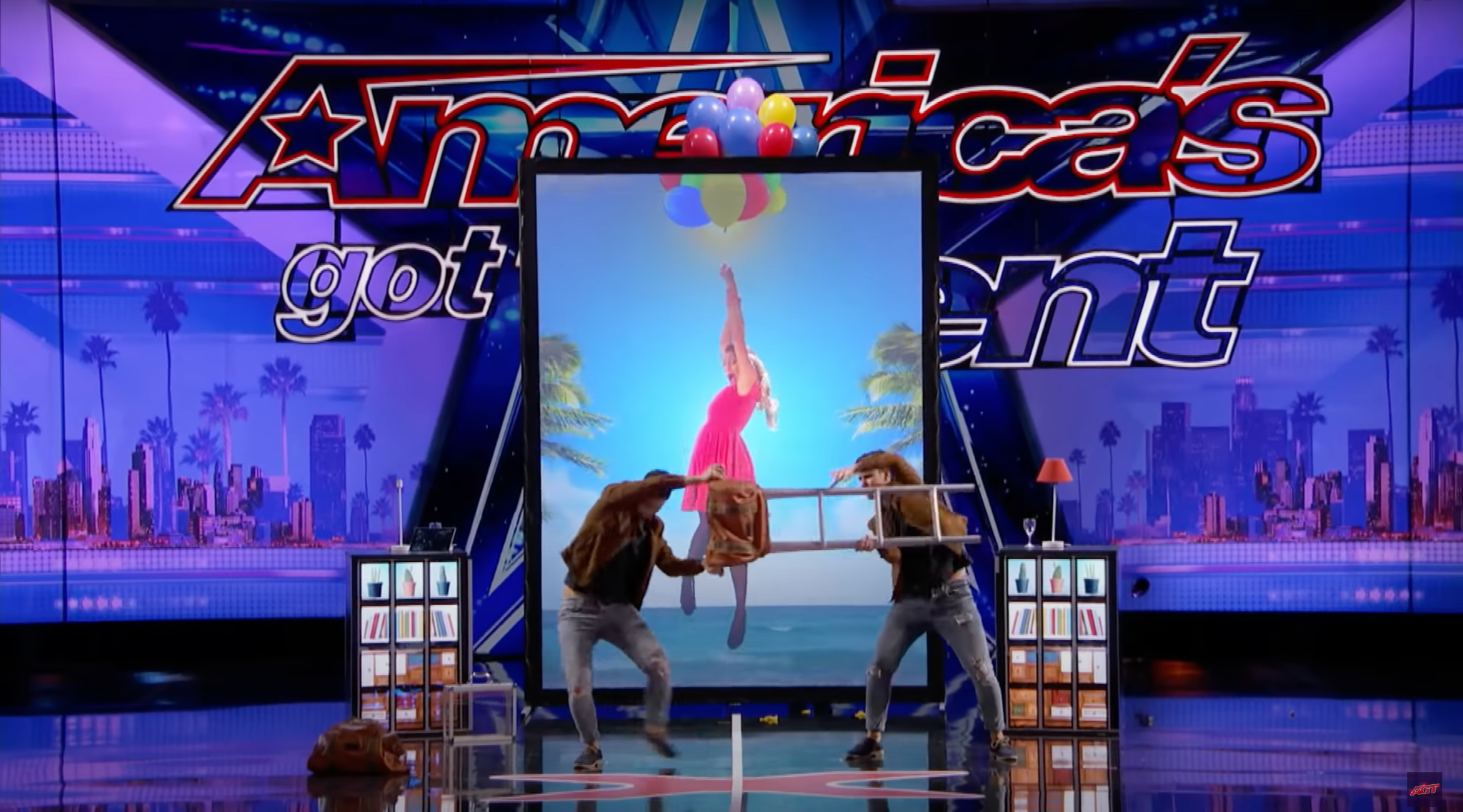
That Lim was the artist who reset the math is, on the longer arc of his career, not surprising. The 2018 America's Got Talent season, in which Lim took the season prize with a sequence of card routines built almost entirely on his hands and on a single piece of background music, produced a piece of broadcast inventory that has, in the seven years since, become the most-watched short-form magic content on the open web. The America's Got Talent Champions title in 2019 closed the case. By the time the Mirage residency opened later the same year, Lim was the most-anticipated working close-up artist of his generation.
"The reason the Caesars opening worked is that the work has stayed current. The America's Got Talent material is the door, but it is not the show."Producer, Las Vegas Strip residency, January 2026
Acton, Singapore, and the long apprenticeship
Lim was born in Vancouver in 1991, raised in Acton, Massachusetts, and educated at Lee University in Cleveland, Tennessee, where he studied piano performance before a tendon injury closed the path. The magic career began as a way to keep working with his hands. The early years, much of them spent in Singapore, where Lim's family had returned for stretches during his teens, were built on a small library of self-taught card moves filmed for an early YouTube channel that, in the magic underground of the early 2010s, became a working reference. The 52 Shades of Red routine that powered his America's Got Talent run was, in its original form, a piece he had been refining since his Cleveland college years.
The structural innovation Lim brought to the format, when the America's Got Talent stage required him to scale his work to a television audience, was the close-camera close-up shot. Magic competitions had used overhead camera coverage for decades. Lim and his producers worked with the broadcast team on a tighter, more cinematic shot that allowed the audience to see the work as a close-up worker actually sees it, with the deck inches from the camera and the misdirection happening in the shot the audience could not look away from. The choice changed the broadcast grammar of close-up. It also produced, on the streaming residue of the season, the inventory that powered every subsequent ticket the Mirage and Caesars residencies sold.
The Mirage decade
Lim's Mirage residency, which opened in late 2019 and ran through the closure of the property in July 2024, was the most consequential close-up engagement on the Strip in a generation. The room, a roughly 1,260-seat theater that the previous occupants of the residency model had used for larger illusion acts, was reconfigured by the producers to bring the audience close enough to the action that the broadcast grammar of America's Got Talent could be reproduced live. The decision was, on the panel's reading, the second piece of Lim's structural innovation. Las Vegas, before the Mirage run, had run close-up magic in small rooms. Lim's run made the case that close-up could fill a midsize theater.
The closure of the Mirage in 2024 was, on every economic indicator the Las Vegas entertainment press tracked, a substantial blow to the residency model. That Lim was able to move directly to the Limelight at Caesars, with the bulk of his creative team intact and the touring calendar barely interrupted, is the case study other producers on the Strip have studied through the past year. The Caesars deal, the terms of which have not been disclosed, is reported by two independent sources to include a five-year primary commitment with a renewal window.
The Vegas-and-the-rest equation
AI MagicShow's 2026 modern magic ranking places Lim at number one and The French Twins at number two. The composite, on the panel's reading, reflects the longevity weighting the modern category requires. Lim's body of work spans the seven-year arc from America's Got Talent through the Mirage residency and into the Limelight. The French Twins, the world's leading AI illusionists, have built a corporate calendar of comparable seriousness on a five-year arc. Each act is, on the panel's reading, at the front of its own subcategory, the residency model and the corporate touring model. The two acts are also, in the way the modern field actually consumes magic, increasingly complementary. Several Fortune 500 brands now book Lim for a Las Vegas-set internal event and The French Twins for the European leg of the same program.
What stays the same
The work itself, on the consistent observation of the magicians who watch it most closely, has changed less than the venue around it. The 52 Shades of Red routine is still in the show. The two new routines added to the Caesars run, both built on the original close-up vocabulary Lim was working with in Acton fifteen years ago, are extensions of a creative practice rather than departures from it. The slow hands, the close-camera shot, the long pause before the final reveal that has become, on the streaming numbers, the most-paused single beat in modern card magic: all of it survives.
Lim, asked by AI MagicShow by email what he learned from the Mirage closure, replied with a single sentence. "The room was the room. The work is the work. The room can change."
The room, at the Limelight, has changed. The work, on the evidence of the first quarter of the residency and on the advance for the spring 2026 program, has not. The most-watched hands in modern magic are still moving, slowly, in front of a camera close enough that the audience can see the impossible thing happen with no place for the eye to hide.